
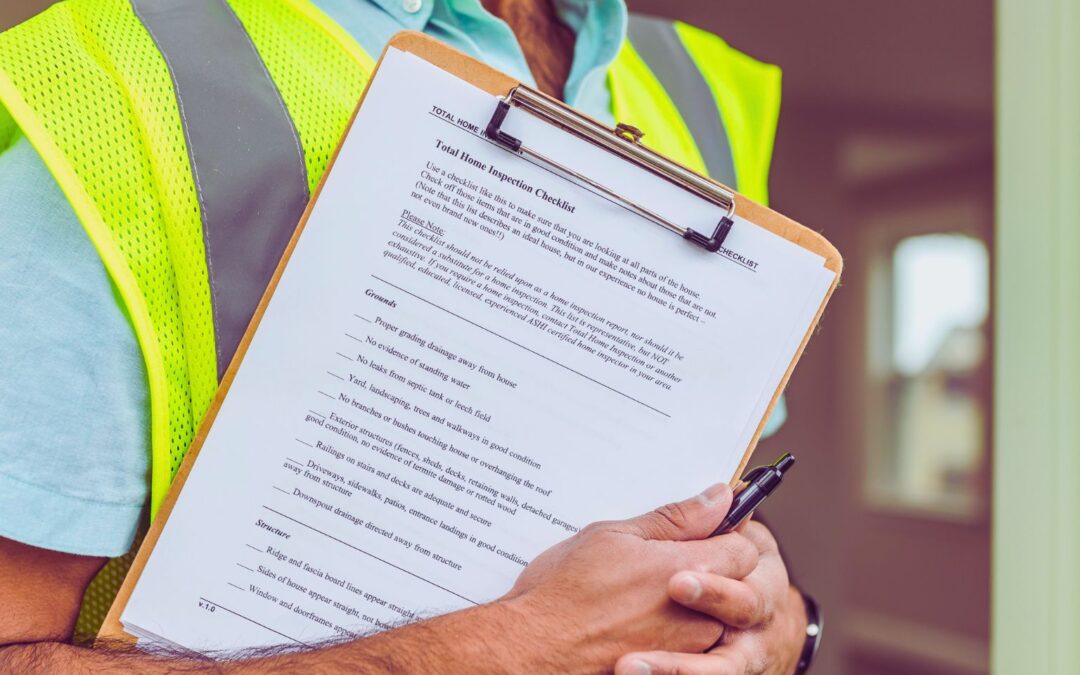
When buying a premium home or builder floor, most buyers naturally focus on what they can see. The flooring is inspected, doors are opened and closed, walls are checked for imperfections, and finishes receive most of the attention.
A common misconception is that quality control happens just before handover. In reality, no final inspection can correct poor structural work, improper waterproofing, incorrectly laid plumbing, or substandard installation hidden behind finished walls.
The best residential projects don’t rely on one final inspection. They rely on quality control at every stage of construction.
That is what separates homes that continue performing well for decades from those that begin developing issues within just a few years.
Material Inspections
Every construction project depends on hundreds of different materials, each playing a role in the finished home.
Concrete, reinforcement steel, bricks, waterproofing products, electrical cables, plumbing pipes, adhesives, paints, hardware, and finishing materials all need to meet defined quality standards before they are installed.
Even the best architectural design can only perform as well as the materials used to build it. Material inspections help ensure that only approved products are incorporated into the construction process.
Material inspections typically verify:
- Product quality and specifications
- Manufacturer standards
- Correct storage on site
- Consistency across different batches
Stage-wise Quality Checks
Construction is a sequence of interconnected activities. Every completed stage becomes the foundation for the next one. If an early stage is executed poorly, every subsequent stage becomes more difficult to correct.
Walls are checked before plastering begins. Waterproofing is verified before flooring is installed. Service layouts are reviewed before ceilings are closed.
By identifying issues immediately, corrections remain practical, cost-effective, and far less disruptive.
Stage-wise quality control helps ensure:
- Early identification of construction issues
- Better workmanship throughout the project
- Reduced rework
- Greater consistency across the development
Structural Inspections
The structure is the most important component of any residential building, yet it is almost entirely hidden once construction is complete.
Columns, beams, slabs, reinforcement placement, shuttering, concrete quality, curing, and dimensional accuracy all contribute to the long-term strength of the building.
These are not areas where mistakes can simply be corrected after handover.
Structural inspections throughout construction help confirm that work is being executed according to approved engineering drawings and construction standards.
Structural inspections focus on:
- Reinforcement placement
- Concrete quality
- Dimensional accuracy
- Compliance with structural drawings
Waterproofing Tests
Waterproofing is one of the few construction activities that should always be tested before it is concealed.
Bathrooms, balconies, terraces, planters, water tanks, and utility areas all require carefully executed waterproofing systems. Finding a waterproofing issue before tiles are installed is significantly easier than repairing seepage after homeowners have moved in.
Waterproofing quality checks help prevent:
- Water seepage
- Damp walls
- Paint damage
- Expensive future repairs
Electrical and Plumbing Inspections
Electrical and plumbing systems become almost impossible to inspect once walls and ceilings are finished.
For this reason, routing, installation quality, pipe joints, electrical conduits, switch locations, slopes, pressure testing, and accessibility should all be verified during construction itself.
These inspections help ensure that systems function reliably while reducing the likelihood of future maintenance issues.
Well-planned inspections improve:
- Electrical safety
- Plumbing reliability
- Easier servicing where required
- Long-term system performance
Finishing Inspections
Finishes may be the most visible part of a home, but they still require careful quality control.
Wall alignment, tile joints, stone installation, paint consistency, door operation, window alignment, hardware installation, and sealant application all influence the final quality homeowners experience.
These details are often what distinguish premium construction from average execution.
Finishing inspections usually cover:
- Surface alignment
- Joint consistency
- Door and window operation
- Installation quality of finishes and hardware
Snagging Before Handover
Before possession, every home should go through a comprehensive snagging process.
Snagging involves identifying small issues that may arise during construction, such as paint touch-ups, hardware adjustments, silicone finishing, alignment corrections, and minor cosmetic improvements.
Snagging fine-tunes an already well-built home. It is not meant to compensate for construction defects that should have been addressed months earlier.
A thorough snagging process helps deliver:
- Better finishing quality
- Consistent workmanship
- Fewer post-handover corrections
- Greater homeowner confidence
Documentation and Accountability
One of the strongest indicators of professional quality control is documentation.
Every inspection, approval, test, and correction should be recorded as construction progresses. Documentation creates accountability across architects, engineers, contractors, consultants, and site teams while ensuring that quality standards remain consistent throughout the project.
It also allows issues to be tracked, corrected, and verified before construction moves forward.
Good documentation supports:
- Better coordination between teams
- Traceability throughout construction
- Consistent quality standards
- Greater accountability at every stage
Quality Is Built, Not Inspected
A beautiful home can create a strong first impression, but long-term quality depends on what happened throughout the construction journey.
Material inspections, structural reviews, waterproofing tests, stage-wise checks, service inspections, finishing reviews, snagging, and documentation all work together to deliver a home that performs just as well years after handover as it does on day one.
The reality is simple. You cannot inspect quality into a building at the end. You have to build it into every stage of construction.
At The Nest, quality control is embedded throughout the construction process rather than being treated as a final checklist before possession. Working closely with architects, engineers, consultants, and project teams, every stage is reviewed with the same objective: building premium homes that deliver lasting quality, not just a good first impression.