
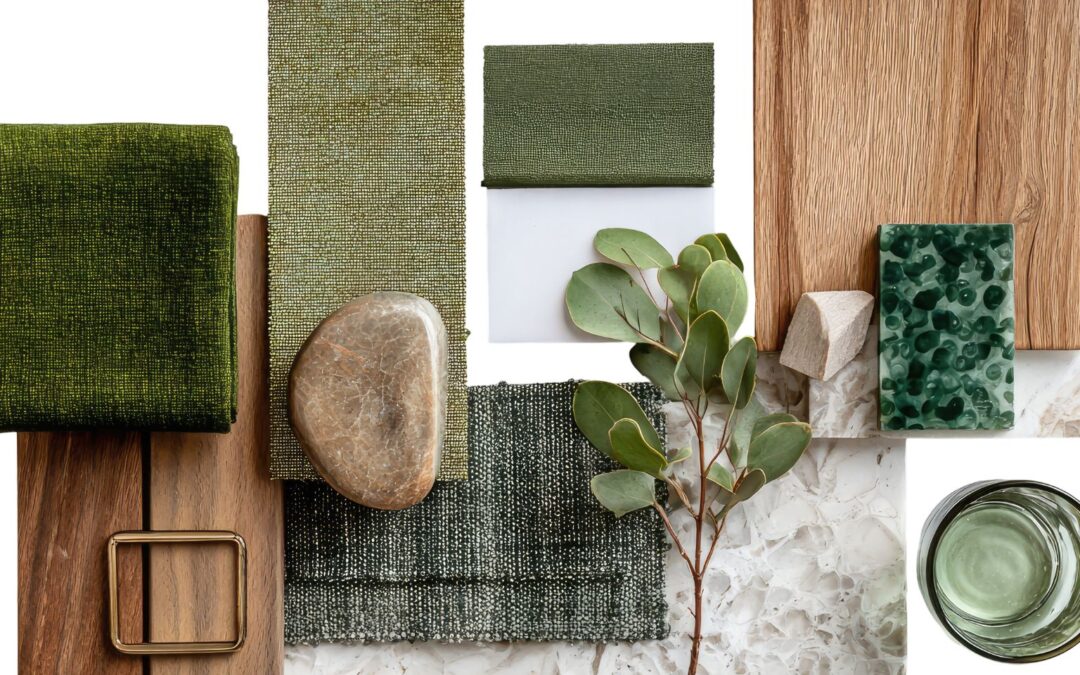
A room can have beautiful furniture, expensive materials and carefully chosen colours and still feel flat.
Often, what is missing is not another decorative element. It is texture.
Texture gives surfaces a quality that can be seen, but also felt and experienced. The grain of timber, the variation in stone, the softness of fabric, the coolness of metal or the subtle roughness of a wall can all change how a room feels.
In a well-designed luxury home, these differences create depth without requiring the space to be filled with decoration.
Texture begins with the right materials
Every material has its own visual and physical character.
Stone can be polished and reflective or honed and understated. Timber can have a pronounced grain or a much quieter surface. Fabric can absorb light and soften a room, while metal can introduce sharper reflections.
The interesting part is what happens when these materials are placed next to one another.
A stone floor can feel very different when paired with timber cabinetry rather than another hard surface. A smooth wall becomes more noticeable beside textured upholstery. A large piece of wood can make a room feel warmer without adding another colour.
The materials create contrast through their surfaces.
Texture is not the same as pattern
Pattern attracts attention. Texture can work more quietly.
A marble surface may have veining that becomes a visual feature, but the finish of the marble also changes how light moves across it. A timber panel can have a strong grain, while its texture still contributes to the room even when the grain is subtle.
This distinction matters because layered interiors do not need to be visually busy.
A room can remain relatively restrained while combining:
- Smooth and rough surfaces
- Matte and reflective finishes
- Hard and soft materials
- Fine and pronounced textures
- Warm and cool material qualities
The result is variation without visual clutter.
Light reveals texture
Texture becomes particularly interesting when light moves across it.
A completely smooth surface reflects light fairly consistently. A textured surface creates small variations in shadow and reflection, making the material change throughout the day.
This is one reason the same stone, wood or wall finish can look different in the morning, afternoon and evening.
Lighting design also plays a role.
A grazing light along a textured wall can emphasise its surface. Soft ambient lighting can make fabric and timber feel warmer. A reflective stone surface can catch a carefully positioned light source and become part of the room’s visual character.
The material and the lighting therefore need to be considered together.
Layering does not mean using more materials
There is a temptation to think that a rich interior needs many different finishes.
Usually, it is more about how a smaller number of materials are combined.
A room might use stone as the dominant surface, timber as a warmer secondary element and fabric to soften areas that people interact with. Metal can then be introduced in smaller details.
This creates a hierarchy.
One material establishes the character of the room. Another provides contrast. Smaller elements add definition.
This is often more effective than giving every surface a different treatment.
Texture should follow how a room is used
Materials are not only visual choices.
The surfaces people touch and use every day should feel appropriate to that interaction. A dining chair, kitchen worktop, bedroom wall and bathroom surface all have very different relationships with the people using them.
This is where texture becomes part of the practical experience of a home.
In a living room, softer materials can make a large space feel more comfortable. In a bathroom, stone and other hard surfaces can create a sense of solidity while carefully chosen textures prevent the room from feeling sterile. In a bedroom, timber and fabric can introduce a quieter, softer character.
The right texture is often the one that makes sense for the room without demanding attention.
The best interiors let materials do the work
Good interiors do not need every surface to compete for attention.
When materials are selected carefully, texture can provide much of the richness that decoration is often used to create. The room feels detailed because there are subtle differences everywhere you look, not because there is something new to look at in every corner.
This is especially important in larger homes, where excessive decoration can quickly make spaces feel disconnected from one another.
A consistent material language can instead create continuity while allowing each room to have its own character.
At The Nest, we approach materials as part of the architecture rather than treating finishes as something added at the end. We look at how surfaces work together, how they respond to light and how they will feel as the home is actually lived in.
Because a rich interior is not necessarily one with more decoration.
It is one where every material has a reason to be there.