Walk through some neighbourhoods that were developed 15 or 20 years ago and you’ll notice something interesting. Some homes still look elegant today, while others already feel dated.
The difference is never about how much was spent during construction. It comes down to the architectural decisions made at the very beginning.
Design trends come and go. Every few years, a new colour palette, facade style, or interior finish becomes popular. But homes are built to last for decades, not just until the next trend arrives. Let’s look at what makes a home truly timeless.
Neutral Palettes
Colour has a significant impact on how a home ages.
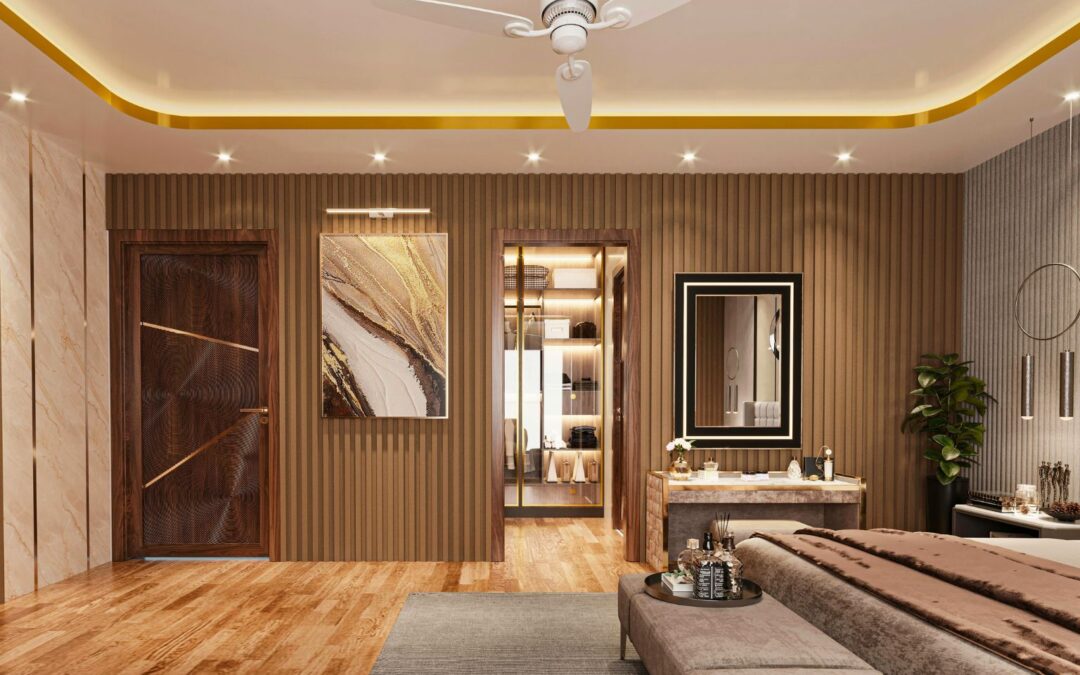
Very bold colours often reflect a particular design trend or era. While they may look striking initially, they can quickly make a home feel outdated as preferences change. Neutral palettes offer far greater flexibility. Shades inspired by natural stone, wood, concrete, and earth tones provide a timeless foundation that works across different architectural styles.
Neutral doesn’t mean plain. It means creating a backdrop that allows architecture, materials, landscaping, and natural light to become the defining features of the home.
Well-planned colour palettes also make future updates much easier, whether homeowners decide to change furniture, artwork, lighting, or décor.
Neutral palettes help create:
- Homes that remain visually relevant over time
- Greater flexibility for future interiors
- Better harmony between different materials
- A calm and balanced visual experience
Facade Proportions
A beautiful facade is not created by adding more design elements.
In fact, many timeless homes are surprisingly simple.
The real character of a facade comes from proportion. The relationship between windows, balconies, walls, entrances, and architectural features determines whether a home feels balanced or visually overwhelming.
When every element is carefully proportioned, the building develops a quiet elegance that doesn’t depend on decorative features. Architects often spend considerable time refining facade proportions because even small adjustments can dramatically change the appearance of a building.
Good facade design focuses on:
- Balanced window placement
- Well-proportioned architectural elements
- Consistent visual rhythm
- A design that remains elegant over time
Durable Materials
The way materials age is just as important as how they look on the day of handover.
Premium homes are designed with materials that continue performing well despite years of exposure to sunlight, rain, pollution, and everyday use.
Natural stone develops character over time. High-quality metal finishes maintain their appearance longer. Well-selected exterior materials resist fading, staining, and weather-related deterioration.
Choosing durable materials is not simply about reducing maintenance. It also protects the architectural identity of the home. When materials age gracefully, the building continues to look refined instead of worn out.
Good material selection considers:
- Long-term durability
- Weather resistance
- Ease of maintenance
- Consistent appearance over the years
Simplicity
One of the biggest myths about luxury homes is that they need to be elaborate.
In reality, simplicity often requires far more discipline than complexity.
Adding decorative elements is relatively easy. Knowing what not to include is much more difficult. Timeless residential architecture avoids unnecessary ornamentation and focuses instead on clean forms, thoughtful detailing, and purposeful design.
Simple homes also tend to adapt better to changing lifestyles. Furniture, artwork, and personal style can evolve over time without conflicting with the architecture itself.
Simplicity creates:
- Clean and elegant spaces
- Greater design longevity
- Better focus on architectural quality
- Homes that adapt easily over time
Natural Textures
Some materials never go out of style because they come directly from nature.
Stone, wood, exposed concrete, textured plaster, and carefully selected metal finishes have been used in architecture for generations because they add warmth and authenticity that manufactured trends often cannot replicate.
Natural textures also change subtly with light throughout the day, adding visual depth without relying on bold patterns or excessive decoration.
The objective is not to fill every surface with expensive materials. It is to use them thoughtfully, allowing their inherent character to become part of the architectural experience.
Natural textures provide:
- Warmth and authenticity
- Greater visual depth
- Timeless character
- Better connection with the surrounding environment
Balanced Design
Perhaps the most important characteristic of timeless homes is balance.
Every design decision should support the overall composition rather than compete for attention. This applies to everything from the facade and window proportions to interior materials, lighting, landscaping, and circulation spaces.
Homes that remain attractive for decades usually avoid extremes. They are neither overly decorative nor excessively minimal. Instead, they achieve harmony through careful planning and consistency.
Balanced design is difficult to define, but it is immediately noticeable when you experience it.
Balanced homes typically feature:
- Consistent architectural language
- Harmonious proportions
- Carefully coordinated materials
- A cohesive design that feels complete
Timeless Homes Are Designed for Decades, Not Trends
Trends will always change. New materials, colours, and styles will continue to emerge, but good architecture has always been built on principles that remain constant.
Neutral palettes, well-proportioned facades, durable materials, simplicity, natural textures, and balanced design all contribute to homes that continue looking relevant long after construction is complete.
These decisions are not about following fashion. They are about creating homes that people will continue to enjoy for many years, regardless of changing design preferences.
At The Nest, every home is designed with longevity in mind. Working closely with experienced architects and designers, we focus on architectural principles that stand the test of time, creating premium homes that feel just as relevant years after handover as they do on the day they are completed.
Do check out 143 Aspen Greens, to see how timeless architecture, thoughtful material selection, and balanced design come together to create a masterpiece: